RFTechnology that removes heat from transistorsins the device life required for its use, compared with current state-of-the-art devices.5and double.RFDemonstrate the power density.DARPAThe heat management program.THREADSResults in Phase I.
Transistor heat limits the performance and life of the RF amplifier
The transistor, the basic component of the RF amplifier, reduces performance and life when excess heat is generated.The RF system cannot operate to its upper limit, even if the heat is not processed at the device stage close to the heating section, and the capacity of the electronic circuit is high.
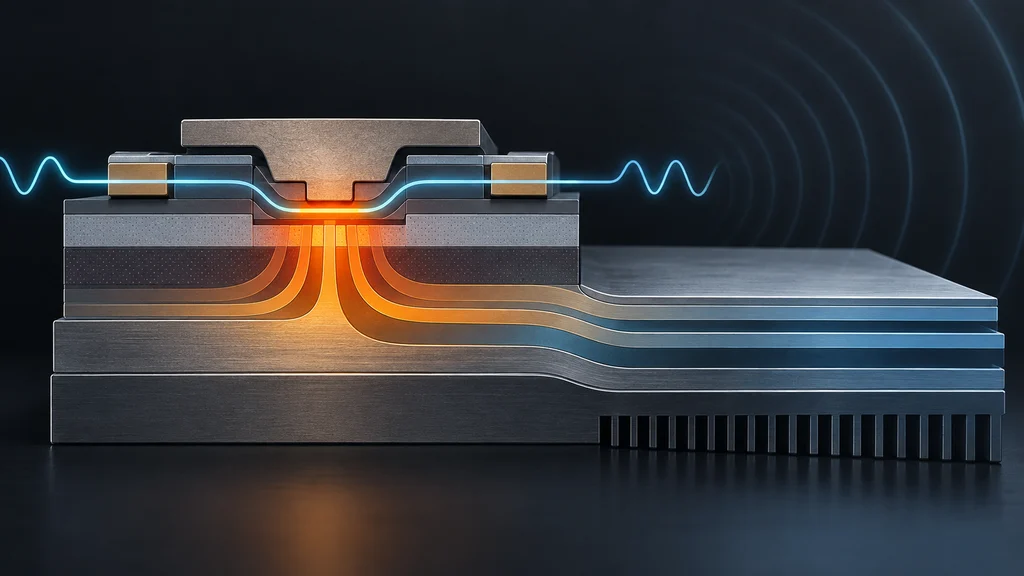
The DARPA heat management program, THREADS, combines new materials, device structures and heat management methods to remove heat from RF electronic devices in response to this restriction.
Maintain current transport while reducing the heat resistance inside the device.
The first technical challenge is to reduce the heat resistance inside the device whileining the transmission properties of the channel current.Changing materials and structures for heating does not improve the performance of the amplifier if the transmission of the current is impaired.
The second challenge is to prevent the decline in performance of the RF while efficiently transferring the heat generated by the high output transistor, combining processes that lower the internal heat resistance with processes that transfer heat from the heating department under conditions that keep the transistor electrically active.
X-band test device to reach heat resistance and power density targets
The objects of development include high efficiency and reliability X-band transistors that improve heat management and test devices for power amplifiers.In addition to high output, the RF amplification function and reliability are included in the development conditions.
THREADS puts the thermal resistance down to 8 to 1 and puts the power density down to 81 W/mm as its final goal.
Phase I demonstrates approximately 5 times the RF power density and lifetime maintenance
THREADS completed Phase I. According to DARPA, participants demonstrated an approximately 5-fold power density of RF compared to current state-of-the-art devices.
This result was obtained byining the device life required for actual defence applications, not by increasing the output for a short period of time, but byining the required life conditions for the application, as the improvement in power density and maintenance of life is included in the same evidence.
Connect component performance to radar reach distance and system conditions.
DARPAachieved in Phase I.5and double.RFBy converting the power density to the operating surface, the radar reached the distance.2That’s twice as high, it’s high.RFIt is a calculation of the system effects of using the output within the existing size and weight restrictions.
In Phase II, participants are working to further increase power levels and thermal performance.DARPA has parallelly started a system level study to identify the power thresholds of RF related to current and future military platforms.
The study examines the conditions for connecting increased RF power on the device side to system demand.The results will be provided to government agencies and government contractors to help consider technology transitions.