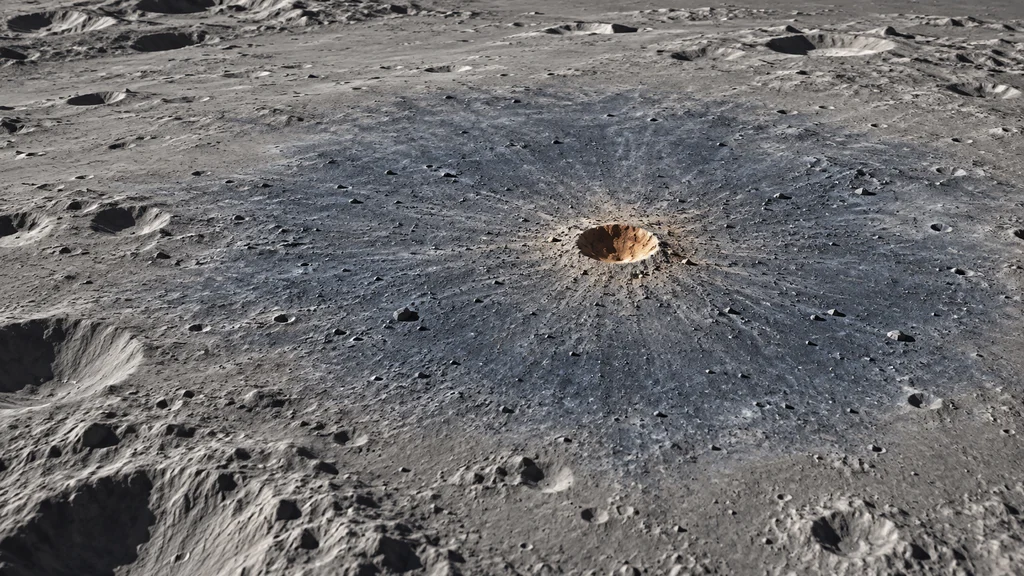
A wide low-temperature range was identified around the new collision hole on the moon’s surface. Images before and after the collision and additional thermal images revealed that the impact of the collision extended to a wider range than the visible hole.
New collision hole on the moon.
NASAAccording to,2024yearly4from the moon.5between the moon.10and20A meter-long comet or asteroid collided with the moon's surface, creating a new hole and being targeted to track the moon's changes in images.
Compare each month’s screenshots before the collision.
NASA’s Lunar Reconnaissance Orbiter (LRO) observed the moon’s surface every month and captured images before and after the collision.
The breadth of the collision hole is equivalent to about the 2 face of the football field, named McGetchin in honor of the moon scientist of the time of the Apollo program.
Heat images captured outside the collision hole.
Additional thermal imagery found a wide range of low temperatures surrounding the hot collision hole. When the distribution of the hole and heat in the image is combined, there are changes on the surface of the moon after the collision also outside the hole.
The wrapped legoris makes it harder to hold the heat.
Collisions with the moon surface will result in loose deposits, legolysis, that cover the surface.The description of NASA suggests that this will reduce the density of the legolysis and make it harder to hold heat.
The range affected by this collision is much wider than the visible collision hole.The surrounding low-temperature range indicates changes in the surface that cannot be seen by the size of the hole alone.