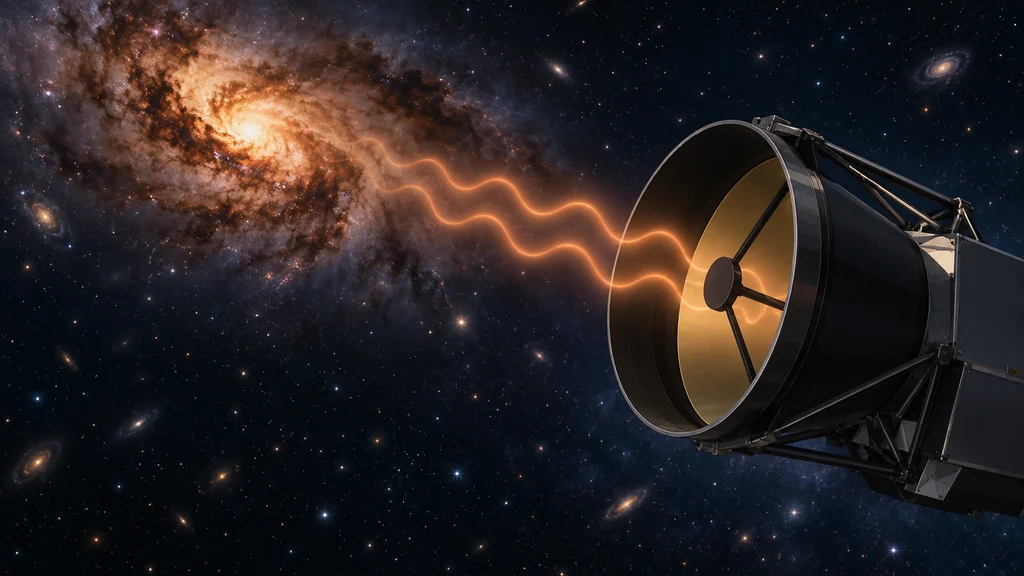
The PRIMA is selected from among the 2 candidates and will move to Phase B, which will lead to preliminary design and technological development.
2 Selection of a long infrared PRIMA from an observation proposal
The NASA was the subject of a concept study of the 2 mission to observe X-rays and far-infrared radiation respectively.After the evaluation, the PRIMA was selected for Phase B.
Phase B is the stage of advancing the pre-design and technological development of the telescope’s mission.PRIMA will be the first mission selected in the new astrophysics mission division “Probe Explorers”.
About 1.8 meter telescope observed far infrared rays
The PRIMA is planned with a telescope of about 5.9 feet and about 1.8 meters.
NASA explains that this remote infrared observation will complement between existing infrared observation facilities such as the James Webb Space Telescope and radio telescopes.
The evolution of galaxies and black holes.
The radiation captured by far infrared radiation leads to an astrophysical question dealt with by PRIMA. Planned observations include how the galaxy and its black holes have grown and evolved throughout the history of the universe.
The plan is to investigate how dust and heavy elements have accumulated in the universe.These are telescope observation targets, not the results obtained by this selection.
Transition to implementation is confirmed by review.
The progress to Phase C after Phase B will be determined by a verification review based on the performance of technology, planning and costs.After the review, the project costs except launch costs will be limited to 12 billion dollars.
PRIMA aims to launch 2033 in the year and is planning a year-long mission of 5.